Source Large Module Transmission Shaft for Automotive, Robotics, Marine
Compare 30 listings for large module transmission shaft designed for automotive, robotics, and marine applications. Buyers can evaluate specifications including material, customization options, and surface finish to select the right drive shaft for their industrial needs.
Key considerations
Products List


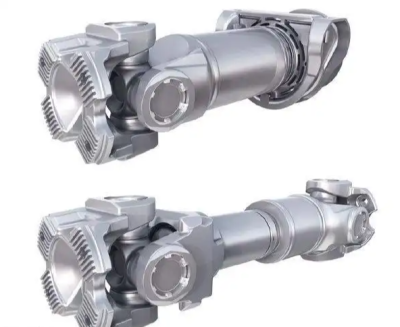
Manufacturer Forged Steel Big Drive Shaft Transmission Large Module Gear Shaft
$1400.00 - $1500.00
Moq: 20


Comprehensive Sourcing Guide
Strategic Sourcing Guide for Large Module Transmission Shafts
Technical Specifications and Material Integrity
When sourcing large module transmission shafts, buyers must prioritize the intersection of dimensional precision, material composition, and mechanical performance. The core of a reliable transmission shaft lies in its ability to transmit torque without failure under high stress. Based on available market data, the material composition for these components frequently involves alloy steel or general steel grades, selected specifically for their high strength and durability. The "High Strength" attribute is a critical observation, indicating that the raw material is engineered to withstand significant mechanical loads, which is essential for drive shaft applications in heavy-duty environments.
The geometric integrity of the shaft is equally paramount. The product attributes indicate a "Straight Shaft" configuration with a "Round" appearance shape, designed to function as a "Real Axis" for rotational power transmission. Dimensional accuracy is a primary differentiator in this category. Buyers should verify that the journal diameter dimensional accuracy falls within the IT6 to IT7 range, a standard that ensures a tight fit for bearings and gears. Furthermore, the relative position accuracy between journals is typically observed in the range of 0.01 to 0.03 mm. This level of precision is necessary to minimize vibration and ensure smooth operation in high-speed machinery.
Surface finish and processing methods also dictate the longevity of the component. The observed processing techniques include turning, milling, and drilling, which are fundamental for shaping the shaft to exact specifications. The journal surface roughness is a critical metric, with observed values ranging from 0.63 to 0.16 μm. A smoother surface finish reduces friction and wear on mating components, directly impacting the efficiency of the transmission system. Additionally, the "Plating" surface finish process is noted, which serves to enhance the "High Corrosion Resistance" of the shaft. This is particularly vital for applications exposed to harsh environments, such as marine or agricultural equipment, where moisture and chemical exposure are common.
Compliance, Certification, and Standard Verification
Navigating the compliance landscape for industrial components requires a rigorous verification of certifications and adherence to international standards. The presence of ISO 9001 certification is a significant indicator of a supplier's commitment to quality management systems. This certification suggests that the manufacturing process is controlled and consistent, reducing the risk of defects in the final product. However, buyers must exercise caution when interpreting certification labels, as some listings may combine multiple standards or use non-standard phrasing. For instance, references to "ISO 9001:Material:Steel" or "ISO 9001:ISO 9001:CE" require clarification to ensure the certification is current and applies specifically to the transmission shaft product line.
Standards compliance extends beyond quality management to include material and dimensional specifications. The ASTM standard is frequently cited in the context of steel products, serving as a benchmark for material properties. Buyers should verify that the specific ASTM grade used aligns with the mechanical requirements of their application. Additionally, the "Standard Tolerance" attribute implies adherence to general industry norms, but for large module shafts, custom tolerances are often necessary. The "Customized" nature of the product model suggests that while standard tolerances exist, the final acceptance criteria should be defined by the specific needs of the buyer's machinery.
It is crucial to distinguish between general certifications and application-specific approvals. While ISO 9001 covers the management system, specific industry standards may be required for sectors like automotive or medical. The "OD100-OD3000" range indicates the standard diameter capabilities, but buyers must confirm if their specific diameter falls within the supplier's certified production capacity. Furthermore, the "Custom" standard designation implies flexibility, but this requires a clear technical agreement to ensure that the custom standard meets the buyer's regulatory and safety requirements.
Cost Drivers and Pricing Dynamics
The pricing structure for large module transmission shafts is influenced by a complex array of factors, including material costs, customization levels, and order volume. The observed price range in the market spans from $0.01 to $6,666, a wide variance that reflects the diversity of product sizes, complexities, and order quantities. For large module shafts, the cost is heavily driven by the volume of raw material required and the precision of the machining process. Alloy steel, being a higher-grade material, typically commands a premium over standard carbon steel, directly impacting the unit price.
Minimum Order Quantity (MOQ) is another significant cost driver. The observed MOQ range of 1 to 2,000 units indicates that suppliers offer flexibility for both prototyping and mass production. For buyers requiring custom specifications, a lower MOQ might be available, but this often comes with a higher per-unit cost due to the setup time and specialized tooling required. Conversely, larger orders can leverage economies of scale, reducing the unit price significantly. Buyers should evaluate the total cost of ownership, including the cost of tooling, setup, and potential inventory holding, rather than focusing solely on the unit price.
Customization is a primary factor in cost escalation. The "Customized" product model and "OEM: Acceptable" attributes suggest that suppliers are willing to tailor the shaft to specific requirements. However, each customization request, whether it involves unique dimensions, special surface treatments, or specific material grades, adds to the production complexity and cost. The "Wooden Box" or "Standard Export Package" packing options also contribute to the overall cost, particularly for large, heavy shafts that require robust protection during shipping. Buyers should negotiate packing requirements to balance safety with cost efficiency, ensuring that the packaging meets the logistical needs without unnecessary expense.
Typical Applications and Industry Requirements
Large module transmission shafts are integral components in a wide array of industries, each with unique operational demands. The "Application" attributes highlight sectors such as the Robotics Industry, Medical Industry, Marine Industry, Construction Industry, Automotive Industry, and Agricultural Equipment. In the robotics and medical sectors, precision and reliability are paramount. The "High Strength" and "Stiffness / Rigid Axle" attributes are essential here to ensure accurate movement and stability in sensitive environments.
The marine and automotive industries present different challenges, primarily related to corrosion resistance and durability. The "High Corrosion Resistance" provided by plating and alloy steel materials is critical for marine applications where exposure to saltwater is constant. Similarly, in the automotive and agricultural sectors, the shafts must withstand high loads and varying environmental conditions. The "Drive Shaft" designation confirms their role in transmitting power from the engine to the wheels or other mechanical components. The "Use Widely" advantage suggests that these shafts are versatile and can be adapted to various mechanical configurations.
Construction and agricultural equipment often operate in harsh, dusty, and high-vibration environments. The "Forging" molding style mentioned in the attributes is particularly beneficial here, as forging enhances the grain structure of the metal, improving its strength and resistance to fatigue. This makes forged shafts ideal for heavy-duty applications where sudden impacts and high stress are common. Buyers in these sectors should prioritize shafts that combine high strength with robust surface treatments to ensure longevity and minimize downtime.
Supplier Evaluation and Manufacturing Capabilities
Evaluating a supplier for large module transmission shafts requires a deep dive into their manufacturing capabilities and operational history. The "Process" attributes, including turning, milling, and drilling, indicate the machining technologies employed. Buyers should verify that the supplier possesses the necessary equipment to handle large diameters, given the "OD100-OD3000" standard range. The ability to perform "Customized" machining is a key indicator of a supplier's flexibility and technical expertise.
The "Processing Object: Metal" attribute confirms the supplier's focus on metalworking, but buyers should inquire about their specific experience with alloy steel and other high-strength materials. The "Molding Style: Forging" suggests that the supplier may also offer forging services, which can be a value-added capability for producing high-strength shafts. Additionally, the "Condition: New" attribute ensures that the products are manufactured to current standards and are not refurbished or used components.
Supplier location and logistics capabilities are also critical factors. The "prod_origin: China" and "prod_origin: Henan" attributes indicate the geographic location of the manufacturing base. Buyers should assess the logistical infrastructure of the region to ensure reliable shipping and timely delivery. The "Ocean Freight" packing option suggests that the supplier is experienced in international shipping, which is essential for global procurement. However, buyers should verify the lead times and shipping terms to avoid delays in their production schedules.
Quality Control and Long-Term Procurement Strategy
Quality control is the backbone of a successful procurement strategy for transmission shafts. The "Warranty: 12 Months" attribute provides a baseline for product reliability, but buyers should establish more rigorous quality control protocols. This includes requesting detailed inspection reports, material certificates, and dimensional verification data for each batch. The "Standard Tolerance" and "IT6-IT7" dimensional accuracy should be verified through third-party testing or in-house quality checks to ensure compliance with the buyer's specifications.
Long-term procurement considerations involve building a sustainable relationship with the supplier. The "OEM: Acceptable" attribute indicates that the supplier is open to long-term partnerships and custom development. Buyers should focus on suppliers who demonstrate a commitment to continuous improvement and quality assurance. The "Customized" nature of the product allows for iterative development, where the supplier can refine the design based on feedback and performance data.
Buyers should also consider the "prod_packing" options, such as "Wooden Box" or "Wooden Case," to ensure that the shafts are protected during storage and transport. Proper packaging is essential for maintaining the quality of the product over time, especially for large, heavy components. Finally, buyers should monitor the "Selling Units: Single item" flexibility, which allows for small-scale testing and validation before committing to larger orders. This approach minimizes risk and ensures that the selected shafts meet the specific requirements of the application before full-scale deployment.
Comparative Analysis of Product Attributes
To facilitate decision-making, the following table summarizes key attributes observed in the market for large module transmission shafts. This comparison helps buyers identify the most relevant features for their specific needs.
| Attribute Category | Observed Value/Range | Relevance to Procurement |
|---|---|---|
| Material | Alloy Steel, Steel | Determines strength, weight, and corrosion resistance. |
| Strength | High Strength | Critical for load-bearing applications and durability. |
| Shaft Type | Straight Shaft | Standard configuration for most transmission systems. |
| Dimensional Accuracy | IT6-IT7 (Journal Diameter) | Ensures precise fit and smooth operation. |
| Surface Roughness | 0.63-0.16 μm | Affects friction, wear, and efficiency. |
| Surface Finish | Plating | Enhances corrosion resistance and appearance. |
| Processing Method | Turning, Milling, Drilling | Indicates machining capabilities and precision. |
| Molding Style | Forging | Improves grain structure and fatigue resistance. |
| Certification | ISO 9001, ASTM | Validates quality management and material standards. |
| Customization | Available, Customized | Allows for tailored solutions to specific needs. |
| Warranty | 12 Months | Provides assurance of product reliability. |
| Origin | China, Henan | Influences logistics, lead times, and cost. |
This table serves as a reference point for buyers to compare potential suppliers and ensure that the selected product meets the technical and operational requirements of their specific application. By focusing on these key attributes, buyers can make informed decisions that balance performance, cost, and reliability.
FAQs
What materials are used for large module transmission shafts?
Alloy steel and general steel are the primary materials used. These grades are selected for their high strength and durability, ensuring the shaft can withstand significant mechanical loads in heavy-duty environments.
How precise are the dimensional tolerances for these shafts?
Journal diameter accuracy typically falls within the IT6 to IT7 range. The relative position accuracy between journals is observed between 0.01 and 0.03 mm to minimize vibration and ensure smooth operation.
Can these shafts be customized for specific requirements?
Yes, customization is available for product models and specifications. Buyers can request specific dimensions, surface treatments, or material grades, with OEM services accepted to tailor the shaft to unique machinery needs.
Which industries commonly use these large module transmission shafts?
They are widely used in robotics, medical, marine, construction, automotive, and agricultural sectors. The high strength and corrosion resistance make them suitable for diverse environments ranging from sensitive medical devices to heavy machinery.
What certifications do the manufacturers typically hold?
ISO 9001 certification is frequently cited to indicate quality management compliance. Buyers should verify that this certification applies specifically to the transmission shaft product line to ensure consistent manufacturing standards.
How is the surface finish treated to prevent corrosion?
The shafts undergo a plating process to enhance high corrosion resistance. This treatment is vital for applications exposed to harsh environments like marine or agricultural equipment where moisture and chemicals are common.
What is the typical warranty period for these components?
A 12-month warranty is typically provided for the new products. This baseline ensures product reliability, though buyers should establish additional quality control protocols for long-term procurement strategies.